Stinging insects are notoriously active in Florida during the warmer months, and many homeowners struggle to tell the difference between bees, wasps, and hornets. While these insects may appear similar at first glance, they differ significantly in appearance, nesting habits, behavior, and potential danger levels.
Knowing how to identify stinging insects around your property can help you respond appropriately, reduce the risk of painful stings, and determine when professional removal may be necessary.
Sorko Lawn and Pest Control’s professional stinging insect control services help homeowners safely manage nests and reduce pest activity around their property.
How to Identify Bees
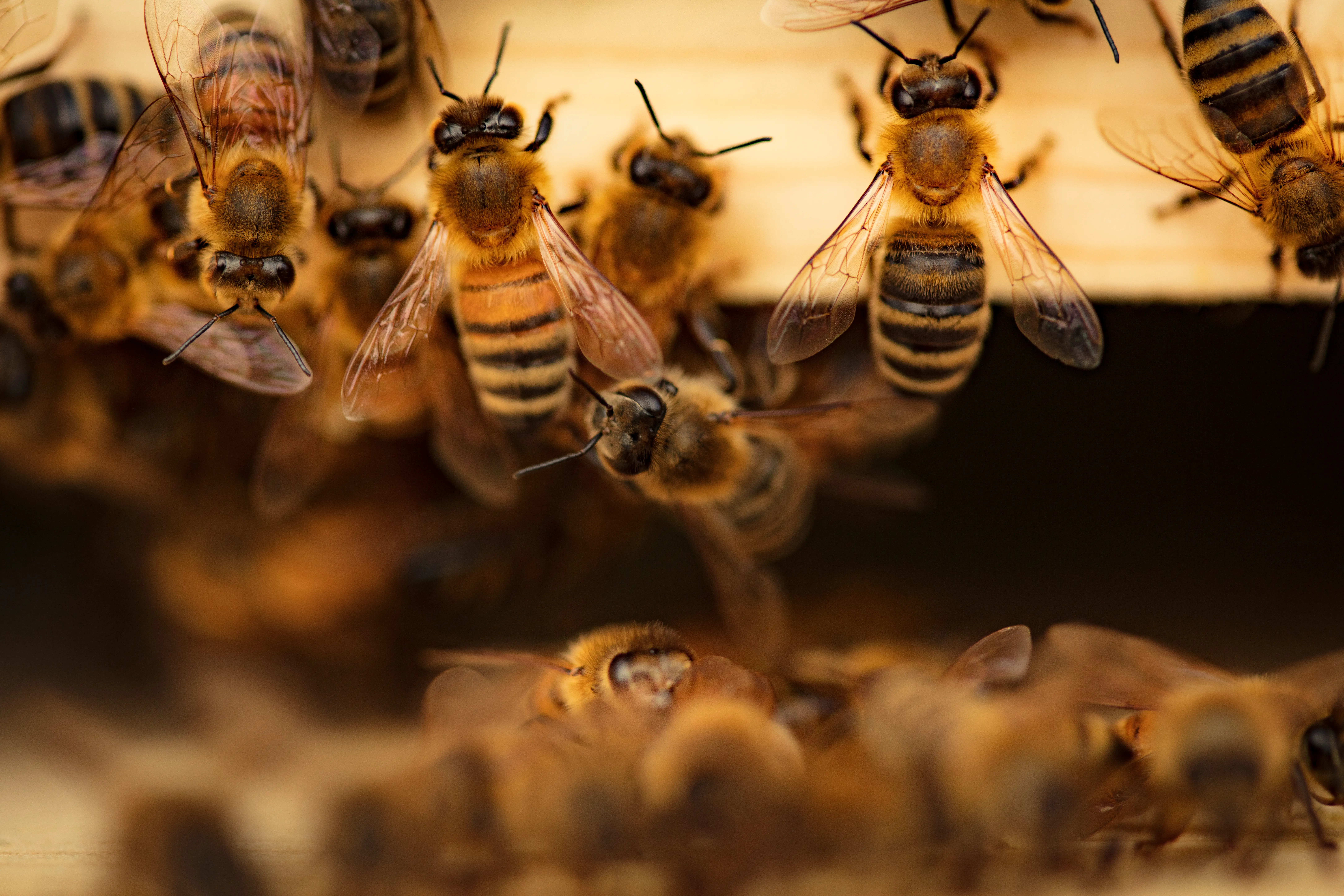
Bees are usually rounder and fuzzier than wasps or hornets. Their bodies are covered in tiny hairs that help collect pollen, and they are often seen moving between flowers and landscaped areas, rather than hovering around trash bins or outdoor food.
Common bees found in Florida include honey bees, bumble bees, and carpenter bees. Honey bees typically live in large colonies and create wax hives inside hollow trees, wall voids, or other sheltered spaces. Carpenter bees are often identified by the small holes they drill into untreated wood surfaces like fences, decks, and siding.
Most bees are not naturally aggressive and prefer to focus on pollination. However, they may sting if their hive is disturbed or if they feel threatened. While their stings typically only cause mild irritation, bee activity near entryways, play areas, or outdoor seating can become a concern for households with children, pets, or allergy sensitivities.
Tips to Prevent Bees Around Your Property
- Seal openings around your home’s siding and rooflines
- Paint or treat exposed wood surfaces
- Remove standing water sources
- Keep flowering plants away from entryways when possible
- Use professional pest treatments for larger infestations
How to Identify Wasps
Wasps are slimmer and smoother than bees, with narrow waists and shiny bodies that feature bright yellow and black coloring. Unlike bees, they have very little body hair and aren’t fuzzy.
Florida homeowners commonly encounter paper wasps, mud daubers, and yellowjackets. Paper wasps build umbrella-shaped nests beneath eaves and covered patios, while mud daubers create tube-shaped mud nests attached to walls and structures. Yellowjackets are especially aggressive and may build hidden nests underground or inside wall voids.
Wasps are more defensive than bees and can sting multiple times when protecting a nest. They are frequently attracted to outdoor food, sugary drinks, garbage bins, and picnic areas during the summer. Activity around decks, pool areas, or garbage containers may indicate a nearby nest.
Tips to Keep Wasps Away From Your Property
- Keep garbage containers sealed tightly
- Remove food and sugary drinks from outdoor spaces
- Seal gaps around roofing and siding
- Inspect eaves and covered patios regularly to check for nest
Ready for pest, lawn, or sprinkler service?
Ready for qualified professionals to help keep your home, business, or lawn in pristine condition?
How to Identify Hornets
Hornets are a type of wasp but are generally larger, thicker-bodied, and may appear more intimidating. Many people in Florida refer to large wasps or aggressive yellowjackets as hornets, but only some species are truly considered hornets, such as the bald-faced hornet and European hornet.
Hornet nests are usually enclosed and papery in texture, and can be found hanging from trees, shrubs, roof overhangs, or hidden exterior spaces. These nests can grow surprisingly large during the summer months as their colonies expand.
Hornets are highly defensive around their nests and may attack in groups if disturbed. Their stings are painful, and multiple stings can create serious risks, especially for individuals with allergies or those who accidentally disturb an active colony near the home.
Tips to Deter Hornets From Your Property
- Trim overgrown vegetation near structures
- Inspect trees and rooflines regularly
- Address nests early before the colonies grow larger
- Reduce outdoor food attractants
Common Warning Signs of Stinging Insect Activity
Identifying stinging insect activity early can make the process of professional control and nest removal easier. If you suspect there may be a nest around your home, look out for:
- Increased insect activity near rooflines or landscaping
- Visible nests beneath eaves or tree branches
- Insects entering wall voids or attic spaces
- Ground holes with frequent insect traffic
- Buzzing sounds inside walls or ceilings
Should You Remove Stinging Insect Nests Yourself?
No. Small, inactive nests may sometimes be manageable, but large or active colonies can quickly become dangerous. Professional pest control is often recommended when:
- Nests are located inside structures
- The insects are aggressive
- Colonies are active or large
- Residents have sting allergies
- Removing the nest requires ladders or roof access
Disturbing the nest improperly may trigger defensive swarming behavior, so professional pest services are highly recommended.
Professional Bee, Wasp, and Hornet Control Services
Identifying stinging insects correctly is important for choosing the safest and most effective treatment. Whether you’re dealing with bees near your siding, wasps beneath your patio, or aggressive hornet activity around your property, professional removal can reduce the risks of stinging insect activity.
Sorko Lawn and Pest Control provides professional bee, wasp, and stinging insect control services to help homeowners manage nests and reduce pest activity throughout the warmer months.
If you’ve noticed stinging insect activity around your home, contact us to schedule an inspection.
Back to Bee and Wasp Control