
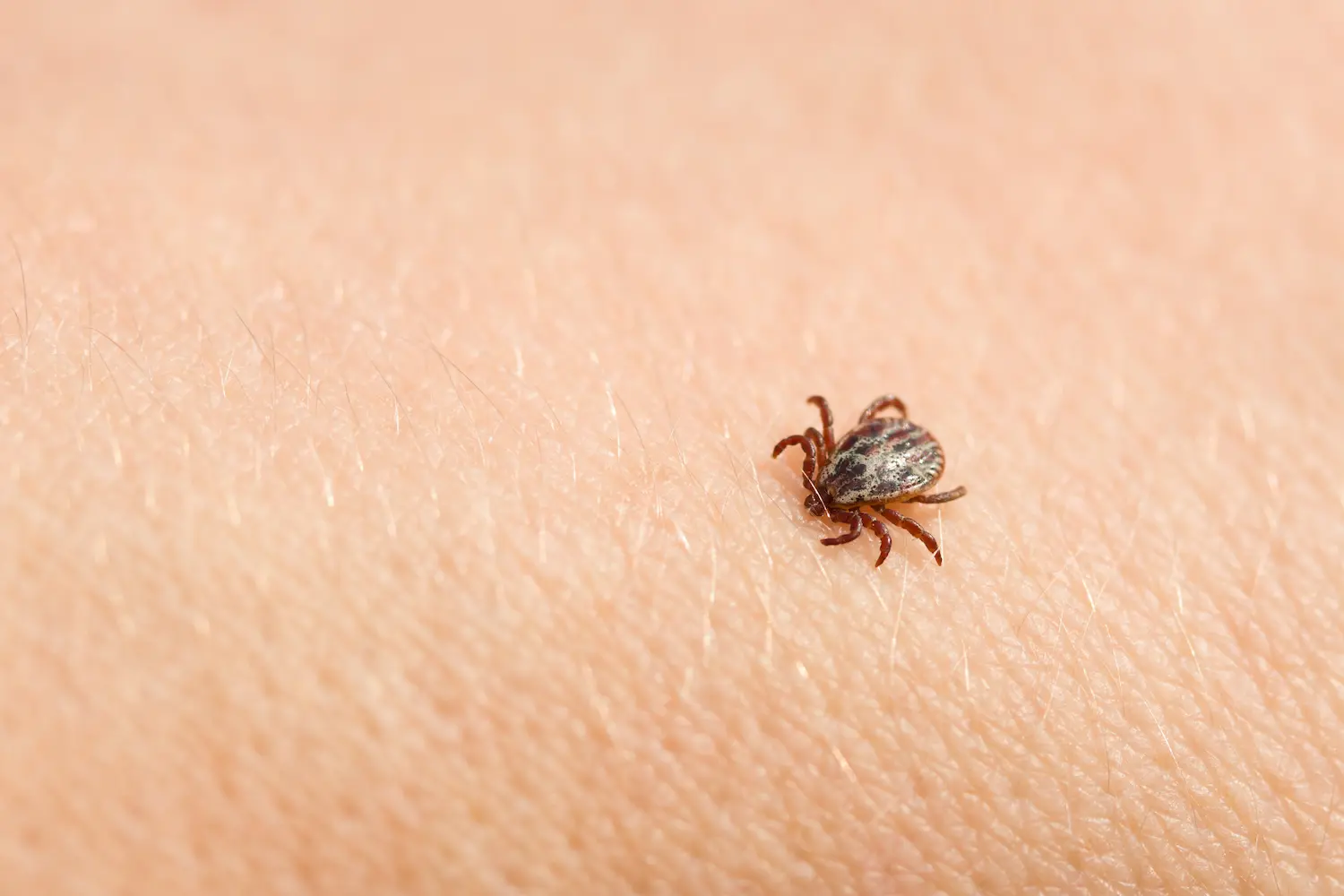
Flea and tick bites can be a warning sign of a larger pest issue, and in some cases, pose real health risks to both people and pets. This is why you should know what bites and infestations look like from fleas and ticks.
Whether you’ve noticed bites on your skin, found a pest on your pet, or suspect activity around your yard, understanding what you’re dealing with is the first step toward protecting your home.
At Sorko Lawn and Pest Control, we help homeowners identify, treat, and prevent flea and tick problems with targeted solutions for both indoor and outdoor areas.
How to Identify a Flea or Tick Bite
Flea bites and tick bites can look similar at first glance, but there are some clear differences once you know what to look for.
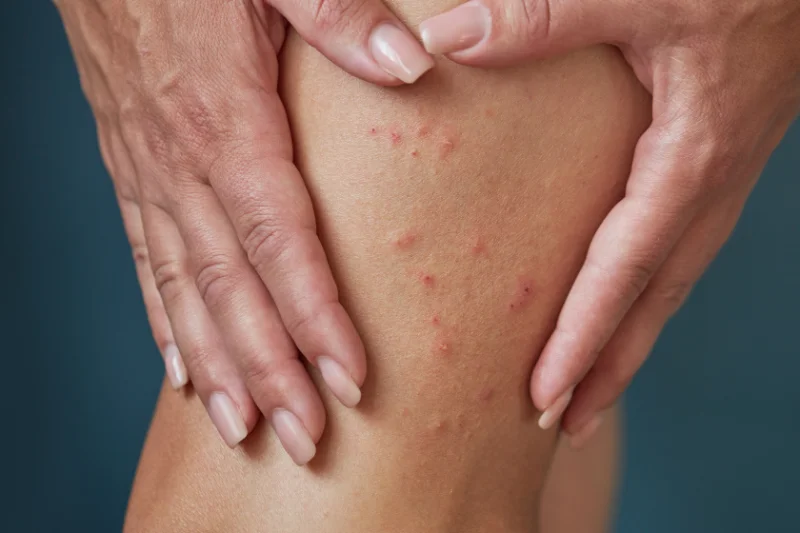
Flea bites typically appear as small, red bumps that show up in clusters or short lines. They’re most often found on the ankles, lower legs, or around the waistline and tend to be very itchy. You may also notice a slight red halo around each bite.
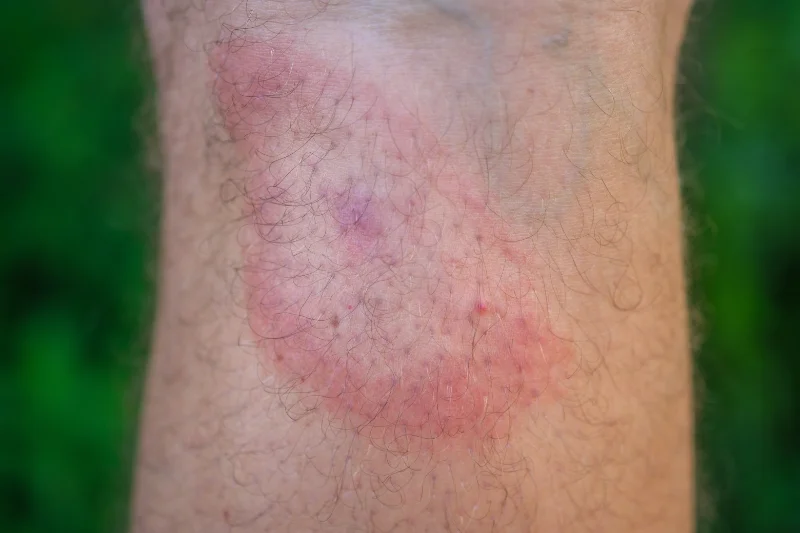
Tick bites, on the other hand, are usually singular and may not itch or hurt right away. In some cases, a rash develops over time. While many people expect a bullseye pattern, that isn’t always the case, depending on the specific species, especially in Florida where the rash may appear as a more solid red patch.
For pets, the signs can be a bit different. If your pet is showing any of these symptoms, it could be a strong indication that fleas or ticks are present near your property:
- Frequent scratching, biting, or licking
- Patchy hair loss or irritated skin
- Visible fleas, ticks, or small black specks (often called flea dirt)
What to Do If You’ve Been Bitten by a Flea or Tick (& How to Treat Them)
If you’ve been bitten, you need to know whether you’re dealing with fleas or a tick because they can have different effects on you. Treatment for bites is generally straightforward, but it’s important to be consistent and attentive.
- Thoroughly clean the area with soap and water to keep the bite free of debris.
- Use soothing treatments like cold compresses or anti-itch creams to resist the urge to disturb it. Over-the-counter antihistamines can also help reduce swelling and irritation.
- Most bites should heal on their own within a few days. If you notice a persistent bite that hasn’t gone away, reach out to a medical professional.
For flea bites specifically, focus on relieving irritation. Gently clean the area with soap and water, then apply an anti-itch cream or take an antihistamine if needed. It’s important to avoid scratching, as this can lead to infection.
Tick bites require a bit more attention. If the tick is still attached, remove it carefully using fine-tipped tweezers. Pull it straight out without twisting, then clean the area thoroughly. Afterward, keep an eye on the bite for any changes over the next several days.
Consider seeing a doctor if you notice flu-like symptoms after a tick bite, or if a rash continues to expand or becomes painful. Signs of infection, such as swelling or discharge, should also be evaluated.
What to Do If Your Pet Has Fleas or Ticks
When pets are involved, quick action makes a big difference. Fleas and ticks can spread rapidly from your pet into your home, so addressing the issue early helps prevent a larger infestation.
Start by using a veterinarian-approved treatment to eliminate pests on your pet. After that, focus on eliminating potential risks in your environment by:
- Washing bedding, blankets, and soft surfaces your pet uses
- Vacuuming carpets, rugs, and furniture thoroughly
- Checking your pet daily, especially after being outdoors
For pets, behavioral changes are important to watch out for. Lethargy, loss of appetite, or persistent discomfort may indicate a deeper issue. If a tick is difficult to remove or your pet continues to show symptoms after treatment, a visit to a vet is recommended.
Ready for pest, lawn, or sprinkler service?
Ready for qualified professionals to help keep your home, business, or lawn in pristine condition?
Health Risks Associated with Flea and Tick Bites
While many bites are minor, some can lead to serious health concerns, especially if left untreated.
Flea bites can cause irritation and allergic reactions, particularly in sensitive individuals. In some cases, excessive scratching can lead to secondary skin infections.
Tick bites are more concerning due to their ability to transmit disease. Lyme disease is one of the most well-known risks, but it’s not always easy to recognize. In the Southeast U.S., including Florida, the rash may not form the classic bullseye shape and instead appear as a solid red area. This can cause people to overlook symptoms and think they don’t need treatment.
If you experience any of the following, seek medical attention right away:
- Fever or chills
- Fatigue or body aches
- Headaches
- Expanding redness near the bite
How to Tell If You Have an Infestation
A single bite doesn’t always mean you have an infestation, but repeated bites or ongoing symptoms can be a sign of a larger problem.
Fleas often leave behind clusters of bites and can be spotted in carpets, furniture, or pet bedding. Ticks are more commonly introduced from outdoor environments and may be found on pets or clothing after time outside.
To prevent an infestation from going unnoticed, regularly check the areas around your property where pests are most likely to hide, such as:
- Soft furnishings and rugs
- Pet sleeping areas
- Baseboards and cracks in flooring
- Shaded or overgrown areas of your yard
Should You Consider Lawn Pest Control?
Yes. If you’re seeing fleas or ticks indoors, there’s a strong chance they originated outside. Yards with dense vegetation, shade, or wildlife activity provide the perfect conditions for these pests to thrive.
Lawn pest control targets these outdoor pests before they make their way inside. Treatments are designed to reduce their activity in high risk areas and create a barrier around your home.
Protect Your Home with Professional Flea and Tick Control
Flea and tick issues can escalate quickly without proper treatment. What starts as a few bites can turn into a larger infestation, affecting both your home and your pets.
At Sorko Lawn and Pest Control, we provide targeted solutions that address the source of the problem, indoors and out. From your first inspection to treatment and prevention, our team is here to help you.
Contact Sorko Lawn and Pest Control today to schedule an inspection and take the first step toward protecting your home.