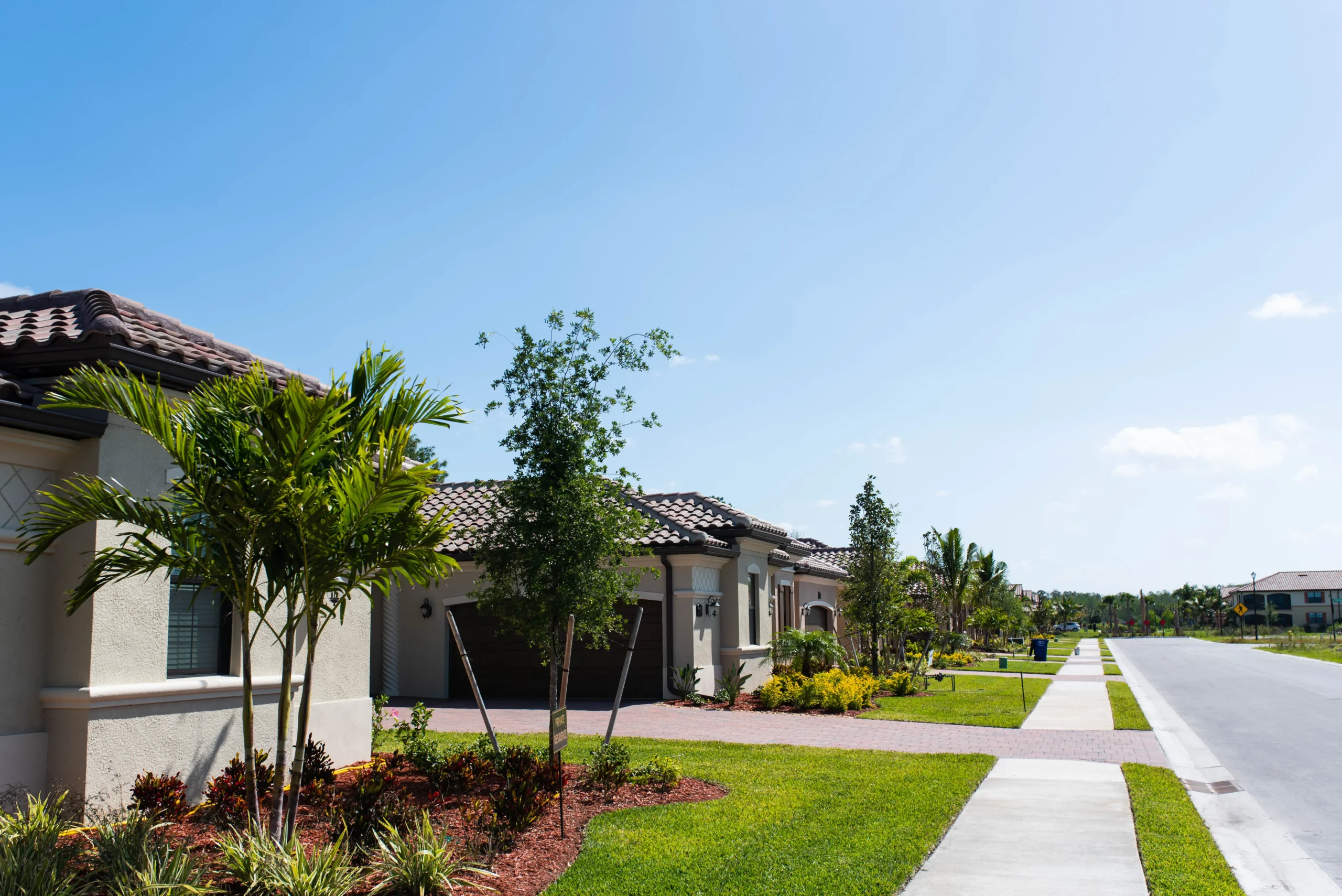
A healthy lawn in Florida can quickly become damaged by insects feeding beneath the soil, chewing grass blades, or attacking plant roots. Many lawn pests are especially active during Florida’s warm and humid months, and without early treatment, they can leave behind brown patches, thinning turf, and lasting damage.
Understanding what is harming your lawn is the first step toward protecting it. That’s why we’ve compiled this list of the most common Florida lawn pests, how to identify them, and what you can do to prevent the damage they cause.
Chinch Bugs
Chinch bugs are tiny black insects with white wings that feed on grass by sucking moisture from the blades, while injecting toxins into them. They are typically most active during late spring through early fall, especially during hot, dry conditions.
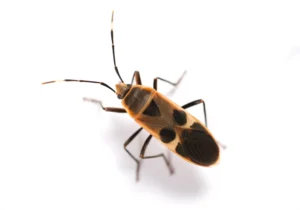
Chinch bugs damage grass from the inside out, causing large sections to die if left untreated. Severe infestations can destroy your turf and leave the lawn vulnerable to weeds and disease.
Signs you may be dealing with a chinch bug issue:
- Expanding yellow or brown lawn patches
- Grass that appears dry even after watering
- Damage beginning in sunny areas
Tips to remove them:
- Reduce lawn stress by properly watering
- Remove excess thatch buildup
- Apply targeted lawn pest treatments
Sod Webworms
Sod webworms are the larvae of lawn moths and feed primarily on grass blades during nighttime hours. They are most common during late spring, summer, and early fall.
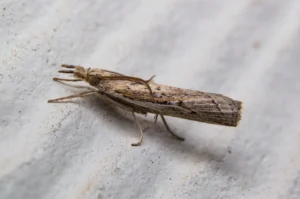
Webworms chew grass blades close to the soil surface, weakening the lawn’s appearance and health. Heavy feeding can thin the lawn significantly and create bare spots.
Signs you may be dealing with a sod webworm issue:
- Small brown patches that spread quickly
- Grass blades with chewed edges
- Increased bird activity feeding on the lawn
Tips to remove them:
- Reduce excess lawn debris
- Maintain healthy mowing practices
- Use professional pest control treatments when populations increase
Mole Crickets
Mole crickets are burrowing insects with shovel-like front legs that tunnel beneath the soil. Their activity peaks during spring and summer.
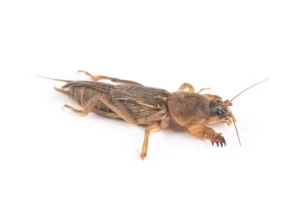
By tunneling underground, they’re highly capable of damaging root systems and disrupting healthy turf growth. Large infestations can severely weaken lawns and create widespread dead patches.
Signs you may be dealing with a mole cricket issue:
- Raised tunnels or loose soil
- Spongy-feeling turf
- Grass that easily pulls away from the ground
Tips to remove them:
- Monitor activity during peak seasons
- Reduce excessive moisture when possible
- Apply targeted lawn insect treatments
Ready for pest, lawn, or sprinkler service?
Ready for qualified professionals to help keep your home, business, or lawn in pristine condition?
Armyworms
Armyworms are striped caterpillars that feed aggressively in large groups. They are commonly active from late summer into fall.
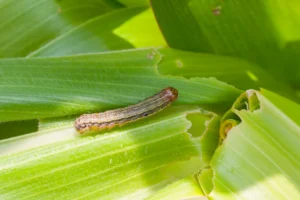
These small caterpillars can strip grass quickly and spread across a property in short periods of time. Untreated infestations may destroy large lawn sections in only a few days.
Signs you may be dealing with an armyworm issue:
- Rapid lawn damage appearing practically overnight
- Ragged or chewed grass blades
- Visible caterpillars near the soil surface
Tips to remove them:
- Inspect lawns regularly during warmer months
- Treat outbreaks quickly with lawn pest control services
Grubs
Grubs are beetle larvae that live underground and feed on grass roots. They typically cause the most damage during summer and early fall.
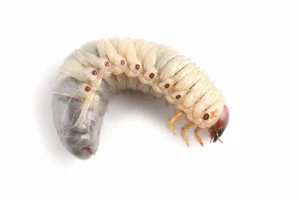
This feeding weakens the root systems, making grass unable to absorb water and nutrients properly. Large grub populations can kill large portions of turf and attract other nuisance wildlife.
Signs you may be dealing with a grub issue:
- Brown, thinning turf
- Grass lifting easily like loose carpet
- Increased digging from birds or wildlife searching for food
Tips to remove them:
- Improve lawn health and drainage
- Use professional grub treatments when activity is detected
Fire Ants
Fire ants are aggressive red ants known for building large mounds and delivering painful stings. They remain active most of the year in Florida, but are especially noticeable during warmer months.
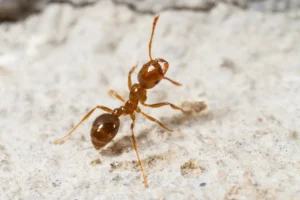
Fire ants disrupt outdoor spaces, damage the grass around their mounds, and create safety hazards for people and pets. Colonies can spread rapidly across the property and increase your risk of being stung.
Signs you may be dealing with a fire ant issue:
- Visible ant mounds throughout the lawn
- Aggressive ants swarming when disturbed
Tips to remove them:
- Avoid disturbing the colonies directly
- Reach out for professional lawn pest control
Billbugs
Billbugs are small beetles whose larvae feed inside grass stems and roots. They are typically active during spring and summer.
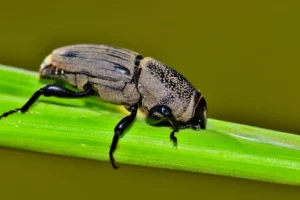
These larvae are known to weaken turf structure and damage root systems. The damage can resemble drought stress and lead to widespread turf decline.
Signs you may be dealing with a billbug issue:
- Small dead patches that expand over time
- Hollowed grass stems
- Grass that breaks apart easily
Tips to remove them:
- Maintain proper irrigation and mowing practices
- Apply professional lawn pest treatments when necessary
Cutworms
Cutworms are caterpillars that feed near the soil surface, often cutting down young grass shoots. They are commonly active during spring and early summer.
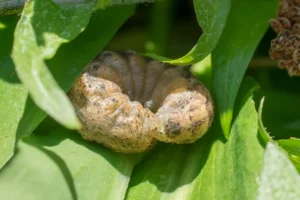
Cutworms feed on tender grass growth and can stunt lawn development. Severe infestations create widespread thinning and bare patches.
Signs you may be dealing with a cutworm issue:
- Thin or patchy turf
- Grass blades cut near the base
- Increased nighttime insect activity
Tips to remove them:
- Remove excess lawn debris
- Monitor lawns regularly during active seasons
- Use targeted pest control applications
Aphids
Aphids are tiny sap-feeding insects that cluster on ornamental plants, shrubs, and sometimes grass. They are active throughout the year in Florida’s warm climate.
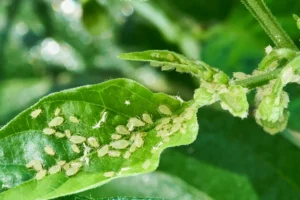
These small white insects weaken plants by draining nutrients and may contribute to mold growth, due to the honeydew residue they leave behind. Aphid populations can spread quickly and damage many landscape plants.
Signs you may be dealing with an aphid issue:
- Sticky residue on plants or grass
- Curling or yellowing leaves
- Visible clusters of small insects on stems or blades
Tips to remove them:
- Encourage natural predators when possible
- Rinse the affected plants with water
- Use professional pest treatments for larger infestations
Lawn Pest Control from Sorko Lawn and Pest Control’s Experts
Protecting your lawn from insects requires more than temporary solutions. Early identification, proper treatments, and ongoing lawn care are all important to prevent long-term turf damage.
Sorko Lawn and Pest Control provides professional lawn pest control services designed to target common Florida lawn pests, while helping homeowners maintain healthier, greener turf year-round.
If you’ve noticed signs of lawn damage or insect activity, reach out to our office and schedule an inspection for your property today.
Back to Lawn Pest Control