Florida’s warm temperatures, humidity, rainfall, and irrigation can create conditions that encourage lawn diseases. If your grass suddenly develops yellow or brown patches, thinning areas, or unusual spots on the blades, a fungal disease could be responsible. However, lawn disease can sometimes look similar to insect damage, drought, nutrient problems, or other lawn issues, so identifying the cause is an important first step.
Sorko Lawn and Pest Control provides lawn fungus treatment throughout the Greater Orlando area. Fungus treatment is included with our Lawn Plans, helping homeowners address disease problems while maintaining healthier turf year-round.
What Is Lawn Fungus and Lawn Disease?
A lawn disease occurs when a pathogen affects the normal growth and health of turfgrass. Most lawn diseases found in Central Florida are caused by fungi, but viruses and other organisms can also be responsible. Conditions such as moisture, temperature, and lawn stress can influence whether a disease develops.
Fungal problems may show up as brown or discolored patches, spots on grass blades, thinning areas, or rings in the lawn. Because these symptoms can have several possible causes, treating a brown patch with fungicide without first identifying the problem may not address the actual cause.
Common Florida Lawn Fungi and Diseases
Florida has several turfgrass diseases that can affect different grass varieties at different times of year. Some of the more common problems include:
- Large Patch: Large circular areas of yellow, brown, or straw colored turf, often with a darker or yellowish border. It is especially common on St. Augustine grass and zoysia grass during cooler months.
- Gray Leaf Spot: Small spots with brown borders and tan or gray centers, primarily affecting St. Augustine grass during warm, rainy weather. Severe infections can significantly thin the turf.
- Take All Root Rot: Yellow or light green areas that gradually thin and expand. Because the disease attacks the roots, symptoms above the soil may not appear until the problem has progressed.
- Dollar Spot: Small, straw-colored spots that may begin about the size of a silver dollar and expand as the disease progresses.
- Pythium Root Rot: General yellowing and decline associated with wet soil, excessive irrigation, rainfall, or poor drainage.
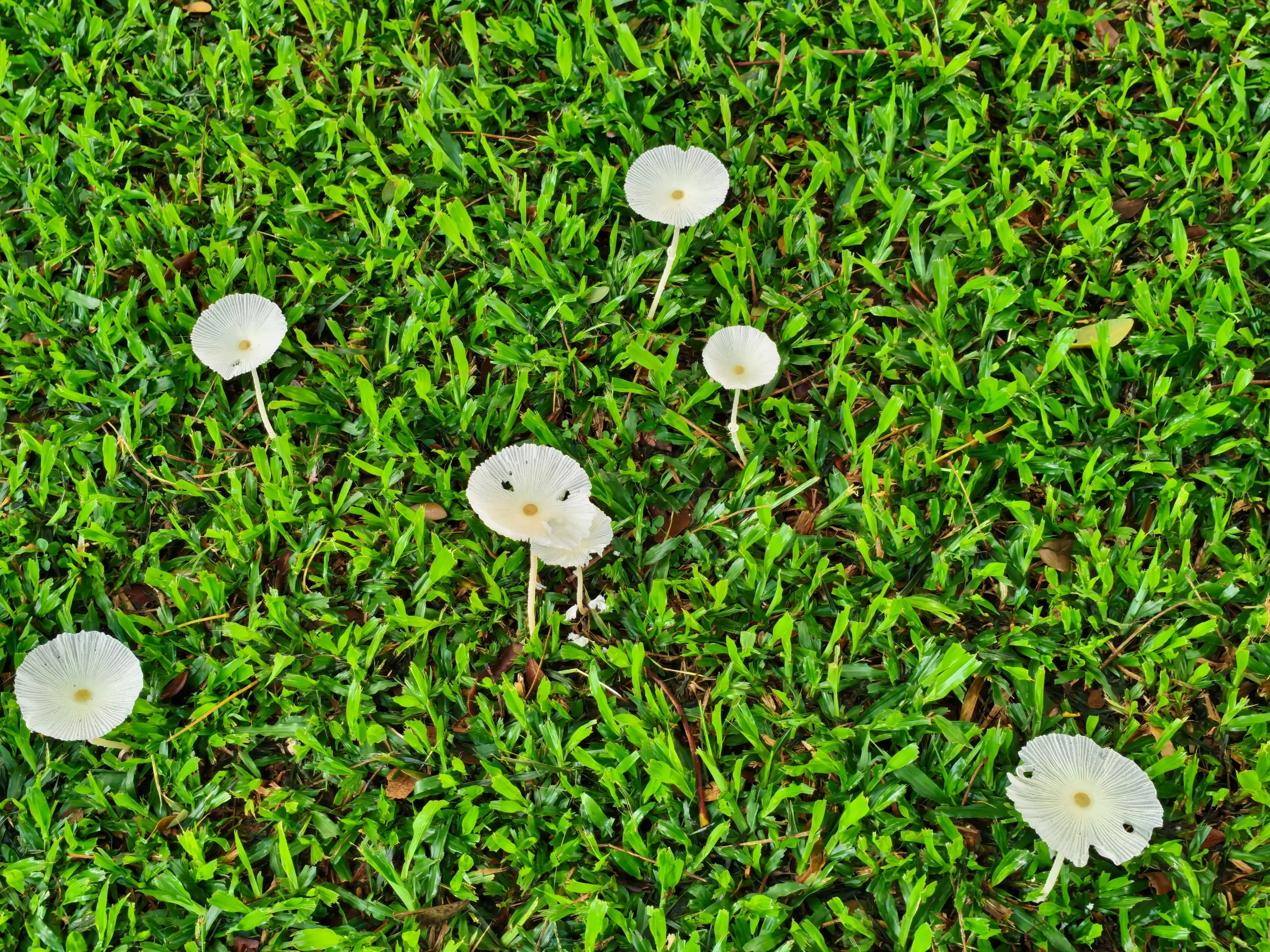
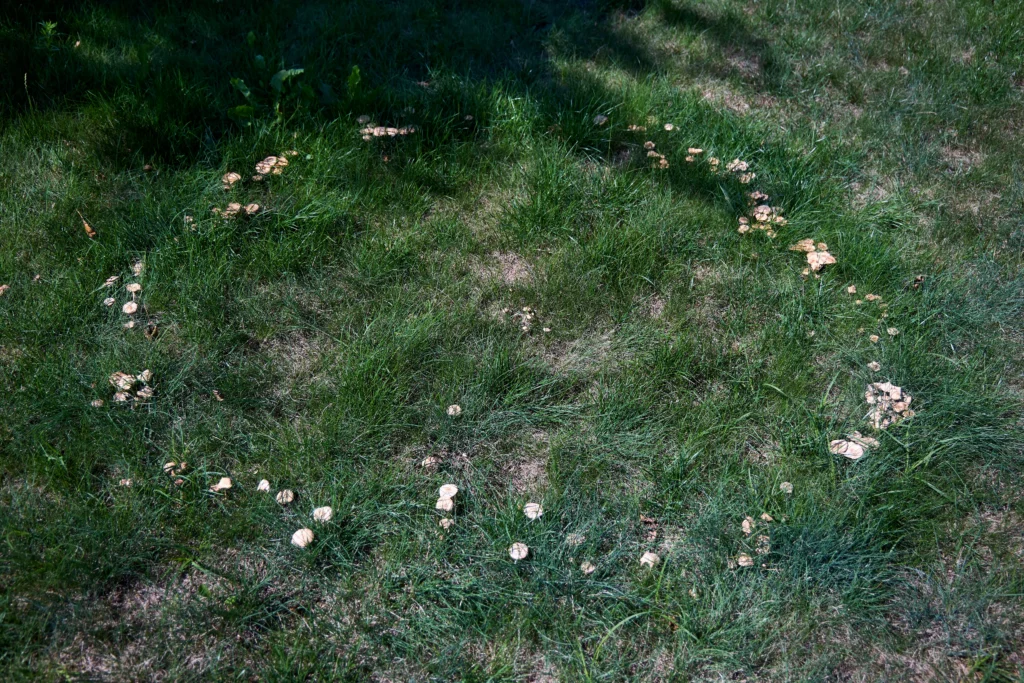
- Fairy Ring: Rings or arcs of darker green, dead, or thinning grass that may sometimes contain mushrooms. They are more commonly noticed during Florida’s rainy summer months.
- Rust: Orange or rust-colored spots or blisters that can appear on grass blades and may rub off when touched.
If unusual patches or spots appear, take note of where they start and how quickly they spread. Recent weather, watering habits, and changes to your lawn care routine can also provide useful clues to help identify the cause.
Get a custom treatment plan tailored to you!
Click below to leave your information and we will call you right back!
Brown Patch and Large Patch Fungus
Large Patch is an important lawn disease for Central Florida homeowners to recognize. Caused by the fungus Rhizoctonia solani, it commonly affects St. Augustinegrass and zoysiagrass. This disease is most often seen from November through May, when temperatures are generally below 80 degrees. It can begin with small areas of discolored grass that gradually expand into larger circular patches.
Several conditions can encourage Large Patch to develop and spread. If you notice possible signs of the disease, these steps can help reduce conditions that favor the fungus:
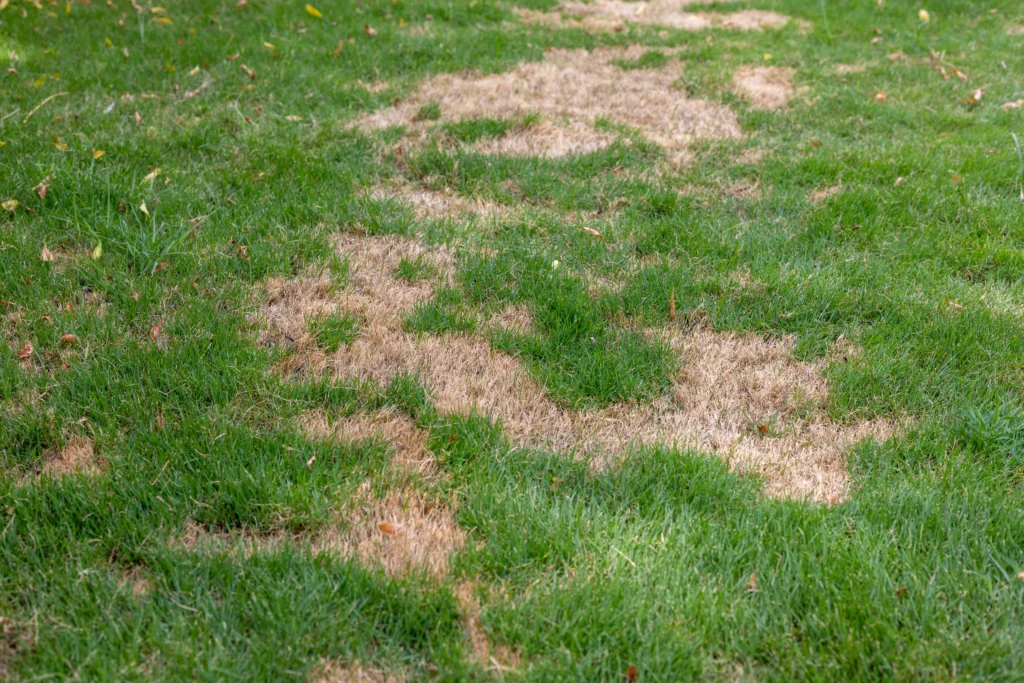
- Watch for Expanding Patches: Look for yellow, orange, brown, or straw colored areas, often with darker or discolored grass around the edges.
- Avoid Unnecessary Watering: Water only when your lawn needs it, since excessive moisture can encourage disease development.
- Water in the Morning: Morning irrigation gives grass more time to dry during the day and can reduce prolonged periods of wet turf.
- Limit Excess Nitrogen: Avoid excessive nitrogen fertilization, which can contribute to conditions favorable for Large Patch.
- Clean Mowing Equipment: Remove grass clippings and clean mowing equipment when working around affected areas to help avoid spreading plant material.
Large Patch is sometimes called Brown Patch, although the University of Florida Institute of Food and Agricultural Sciences (UF/IFAS) distinguishes the two. Brown Patch is more common during warm summer conditions, while Large Patch is associated with cooler months. Proper identification can help determine whether fungus is the cause and what treatment is needed.
How to Prevent Lawn Fungus
Proper lawn care can help reduce the conditions that allow fungal diseases to develop. Prevention is particularly important because some lawn diseases can return when the same environmental conditions occur year after year. A few simple lawn care practices can help keep your turf less favorable to disease. Consider these practices:
- Water When Needed: Water only when your lawn needs it, and irrigate in the morning when possible.
- Avoid Excess Moisture: Don’t overwater or allow grass to remain wet for extended periods.
- Mow Properly: Maintain the recommended mowing height for your type of turfgrass.
- Clean Mowing Equipment: Keep lawn equipment clean, especially when mowing areas affected by disease, to help prevent spreading plant material.
- Limit Nitrogen: Avoid excessive nitrogen fertilization, which can contribute to conditions that favor some lawn diseases.
- Improve Drainage: Address areas where poor drainage or other conditions cause water to remain in the lawn.
What Should You Do If You See Lawn Disease?
If your lawn develops brown or yellow patches, leaf spots, or thinning grass, take note of when the symptoms first appear and where they are spreading. Recent weather, watering, mowing, fertilization, and other changes to your lawn care routine may help identify the cause.
Brown Patch/Large Patch Fungus can affect Florida lawns during different times of year, making proper identification important before treatment. Some fungal diseases can improve with changes to lawn care, while others may require fungicide treatment. Since fungicides are not effective against every lawn problem, proper diagnosis is essential to effective Florida lawn fungus treatment.
Sorko Lawn and Pest Control offers professional lawn care services for Central Florida homeowners. If the problem persists or returns, fungus treatment is included with our Lawn Plans to help manage seasonal lawn disease.
Central Florida Lawn Fungus Treatment from Sorko
Recurring lawn fungus can be frustrating, particularly when brown or thinning areas keep coming back. Central Florida’s changing seasonal conditions can encourage different lawn diseases throughout the year, which is why consistent lawn care can help manage recurring problems.
We provide professional lawn fungus treatment throughout the Greater Orlando area as part of our Lawn Plans. With fungus treatment included, our lawn care services help address seasonal disease problems and keep your turf in better condition throughout the year.
If your lawn isn’t looking the way it should, contact Sorko Lawn and Pest Control to learn how our lawn services can help identify and address problems while keeping your turf looking its best.
Back to Lawn Care Service