
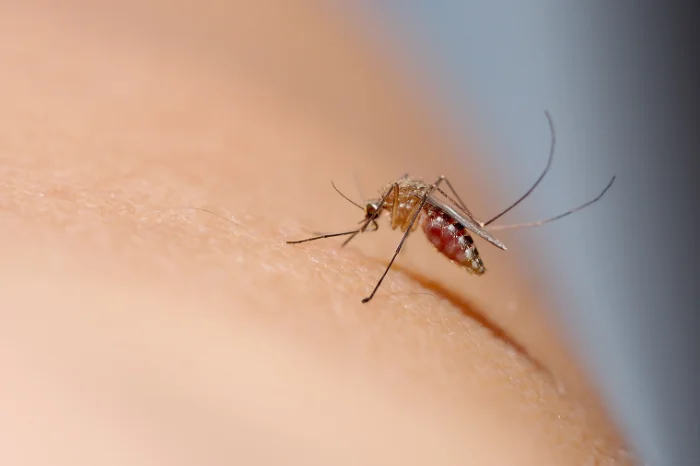
While not every mosquito carries disease, several species found in Florida can transmit viruses and parasites that affect people and animals. Understanding the risks can help you protect your family and know when it’s time to take action against a mosquito problem around your home.
Florida is famous for its sunshine, beaches, and warm weather. Unfortunately, those same conditions also create the perfect environment for mosquitoes. Many homeowners are right to wonder whether these pests are simply a nuisance or if they pose a real health risk.
What Mosquito-Borne Diseases Are Found in Florida?
Several mosquito-borne diseases have been identified in Florida over the years. Some occur naturally within the state, while others are typically introduced by travelers before being spread locally by mosquitoes. Some of the common mosquito-borne diseases include:
- West Nile Virus: Many people have no symptoms, while others experience fever, headache, body aches, fatigue, or a rash. Severe cases can affect the brain or nervous system.
- Dengue Fever: Spread primarily by Aedes aegypti mosquitoes, dengue can cause high fever, severe headache, muscle and joint pain, nausea, and rash. Serious cases require prompt medical care.
- Malaria: Although most malaria cases in Florida are linked to travel, locally acquired infections can occasionally occur. Symptoms include fever, chills, sweating, headache, muscle aches, and fatigue. Prompt diagnosis and treatment are essential to prevent serious complications.
- Eastern Equine Encephalitis (EEE): Although rare, EEE is one of Florida’s most serious mosquito-borne diseases. Severe infections can cause brain inflammation and long-term neurological damage.
- St. Louis Encephalitis: This virus is spread by mosquitoes that have fed on infected birds. Most cases are mild or symptom-free, but some people develop fever, headache, confusion, or neurological complications.
How Do People Contract Mosquito-Borne Diseases?
A mosquito must first become infected before it can spread disease. Female mosquitoes typically pick up viruses or parasites when they feed on infected birds, animals, or occasionally people. The infection can then be transmitted when the mosquito bites another person.
Unlike colds and flu viruses, a mosquito-borne disease generally does not spread from person to person through normal interactions. Instead, transmission occurs when an infected mosquito carries the disease between hosts.
What Are the Symptoms and When Should You See a Doctor?
Many mosquito-borne illnesses begin with flu-like symptoms, making them easy to overlook. Common symptoms include fever, headache, muscle and joint pain, fatigue, chills, nausea or vomiting, and skin rash.
While many cases are mild, some illnesses can become serious and require prompt medical attention. Seek medical care if you experience:
- High fever
- Severe headache
- Neck stiffness
- Confusion
- Difficulty walking
- Seizures
- Weakness or numbness
- Persistent vomiting
Early medical evaluation can help identify serious infections and determine whether additional treatment or hospitalization is necessary.
Ready for pest, lawn, or sprinkler service?
Ready for qualified professionals to help keep your home, business, or lawn in pristine condition?
Why Does Florida Have So Many Mosquitoes?
Florida’s warm, humid climate makes it one of the most favorable states for mosquito activity in the United States. Year-round temperatures, frequent rainfall, wetlands, lakes, ponds, and coastal areas provide mosquitoes with many opportunities to breed and thrive.
Mosquitoes do not need large amounts of water to reproduce. Small sources of standing water, including bird baths, clogged gutters, flowerpots, toys, old tires, and even bottle caps, can provide enough moisture for mosquito eggs to develop.
Since freezing temperatures are rare in many parts of Florida, mosquitoes can remain active for much of the year. Periods of heavy rainfall, especially during the summer months, can quickly increase mosquito populations and lead to higher activity around homes and communities.
Florida Mosquito Facts
Learning more about these pests can help you better understand the risks they pose and how to protect your property:
- Florida Has Many Species: Florida is home to nearly 90 mosquito species, although only some are capable of spreading diseases.
- Some Mosquitoes Can Spread Disease: Several mosquito species in Florida can transmit illnesses such as West Nile virus, dengue, Eastern equine encephalitis, and other mosquito-borne diseases.
- Activity Varies by Species: Some mosquitoes are most active around dawn and dusk, while others commonly bite during daylight hours.
- Florida Monitors Mosquito Activity: State and local mosquito control programs track populations and work to reduce disease risks.
- Mosquitoes Cannot Be Identified by Risk Alone: Most mosquitoes are nuisance pests, but you cannot tell if a mosquito carries disease simply by looking at it.
How to Protect Yourself from Florida Mosquitoes
The best way to reduce your risk of a mosquito disease is to prevent bites and eliminate breeding areas around your property. Even a few simple preventive measures can significantly reduce activity around your home. You can help protect yourself by:
- Eliminate Standing Water: Empty containers, bird baths, and other sources of standing water at least once a week to prevent mosquitoes from breeding.
- Maintain Gutters and Drains: Clean gutters and drains regularly to keep water from collecting where mosquitoes can lay eggs.
- Care for Swimming Pools: Keep pools properly cleaned, treated, and circulating to discourage mosquito breeding.
- Repair Window and Door Screens: Fix damaged screens to help prevent mosquitoes from entering your home.
- Wear Protective Clothing: Wear long sleeves and pants when mosquitoes are most active, especially around dawn and dusk.
- Use Mosquito Repellent: Apply an EPA-registered repellent before spending time outdoors to reduce the risk of bites.
- Schedule Professional Treatments: If mosquitoes have become established around your property, professional mosquito control can help reduce their population and provide ongoing protection.
Professional Mosquito Control Can Help Protect Your Florida Property
Only a small number of mosquitoes carry disease, but one infected bite can still pose a health risk. When populations become overwhelming or make spending time outside difficult, professional treatment can provide effective relief.
At Sorko Lawn and Pest Control, we focus on reducing mosquito populations by targeting common breeding sites and resting areas around your Florida home. Our treatment services help create a more comfortable outdoor environment where you can relax and enjoy your yard.
If mosquitoes have taken over your property, contact Sorko Lawn and Pest Control today to learn how our mosquito control services can reduce activity around your home.
Back to Mosquito Control