
Key Takeaways
- Standing water in your yard can provide breeding sites, even in small amounts.
- Rain, flooding, and warm weather can quickly lead to mosquito swarms.
- Mosquitoes can enter homes through open doors, windows, screens, and small gaps.
- Yard maintenance and professional treatments can help reduce mosquito activity.
- Florida’s warm, humid climate and rainfall create ideal conditions for mosquitoes to thrive.
When Do Mosquitoes Swarm?
Few pests can ruin time outdoors as quickly as mosquitoes. Homeowners throughout Florida often wonder why mosquito populations seem so high, especially after periods of rain or warm weather. Thanks to the state’s subtropical climate, mosquitoes have access to ideal breeding and survival conditions for much of the year.
If you’ve been asking yourself why there are so many mosquitoes in your home and yard, several factors may be contributing to the problem. Let’s explore what attracts mosquitoes to properties in Central Florida, why swarms occur, and when it may be time to contact us at Sorko Lawn and Pest Control for professional assistance.
Why Are There So Many Mosquitoes in Florida?
Numerous mosquito species are found throughout Florida, where the combination of heat and moisture creates favorable living conditions. Unlike northern regions that experience extended periods of cold weather, Florida often provides mosquitoes with year-round opportunities to breed and survive. A variety of factors contribute to the state’s high mosquito populations, including:
- Frequent Rainfall: Florida receives regular rainfall that creates numerous sources of standing water where mosquitoes can lay their eggs.
- Warm Climate: Consistently warm temperatures allow mosquitoes to develop quickly and remain active for longer periods.
- High Humidity: Humid conditions help mosquitoes avoid dehydration, increasing their chances of survival.
- Dense Landscaping: Trees, shrubs, and other vegetation provide cool, shaded areas where mosquitoes can rest during the day.
- Irrigation Systems: Lawn sprinklers and irrigation systems can create damp conditions that support mosquito breeding and activity.
These conditions often combine to create the perfect environment for a mosquito swarm, especially after periods of heavy rain.
What Attracts Mosquitoes to Your Yard?
If you’ve been wondering why there are so many mosquitoes in your yard, your landscape may be providing ideal conditions for them. Mosquitoes are drawn to environments that supply water, shelter, and opportunities for reproduction. Female mosquitoes rely on standing water to lay eggs, and both sexes often spend daylight hours resting in protected areas. Common mosquito attractants include:
- Bird baths
- Clogged gutters
- Children’s toys that collect water
- Flower pots and saucers
- Buckets and containers
- Tarps that trap rainwater
- Overwatered lawns
- Dense shrubs and landscaping
- Decorative ponds
- Poor drainage areas
Many homeowners underestimate how little water mosquitoes need to reproduce. Some species can successfully lay eggs in water that is only a few millimeters deep.
What Causes Mosquitoes to Swarm?
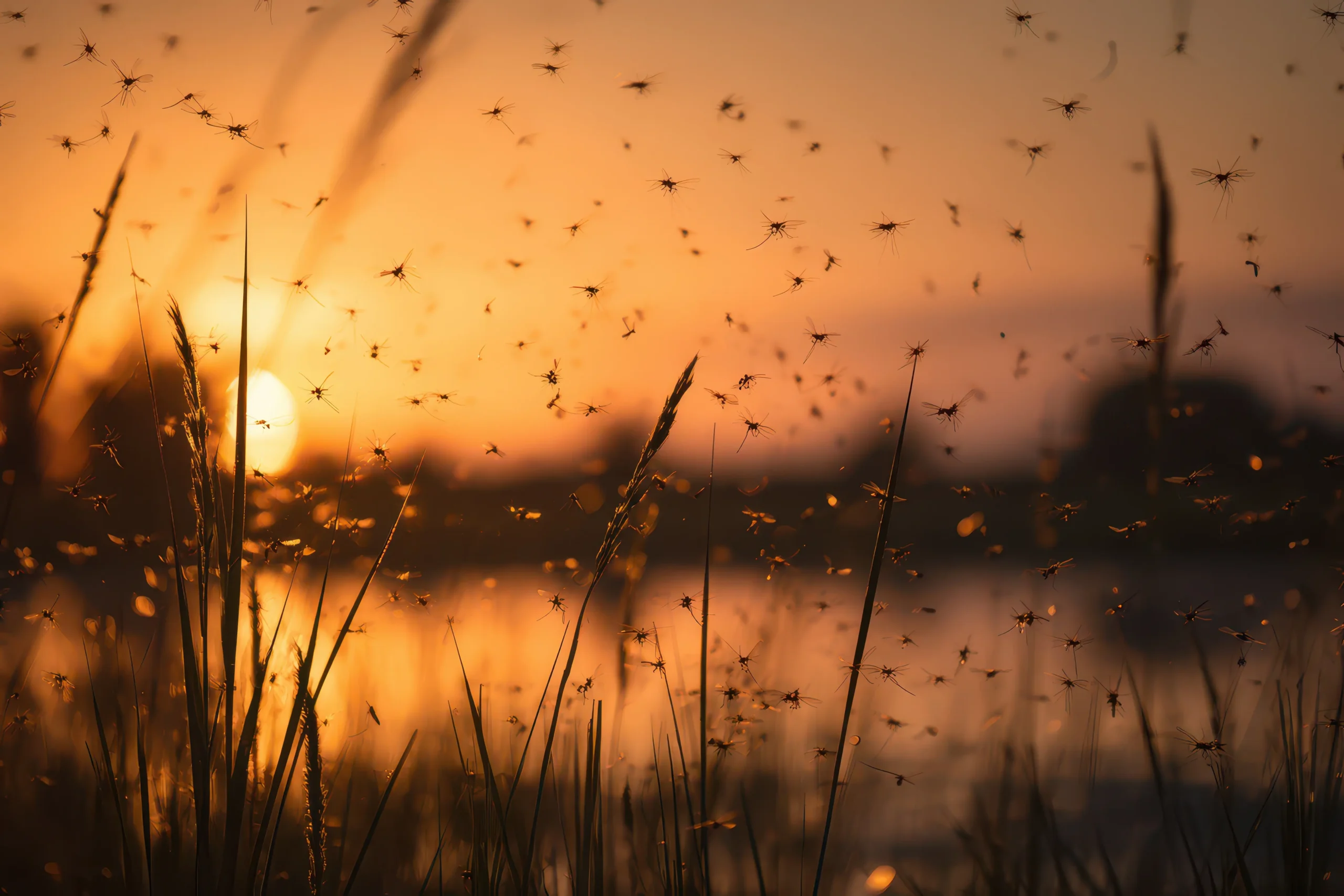
Seeing hundreds of mosquitoes suddenly appear in one area can be alarming for homeowners. A mosquito swarm usually develops when weather conditions and environmental factors create the perfect opportunity for mosquito populations to increase quickly. Mosquitoes commonly swarm after:
- Heavy Rainfall: Heavy rainfall creates new sources of standing water where mosquitoes can breed and allows populations to increase quickly.
- Flooding Events: Flooding can leave behind large areas of stagnant water that provide ideal conditions for mosquito eggs and larvae to develop.
- Extended Periods of Warm Weather: Long stretches of warm temperatures speed up mosquito reproduction and allow populations to grow rapidly.
- Increased Humidity: High humidity creates favorable conditions that help mosquitoes remain active and survive longer.
- Seasonal Breeding Cycles: Certain times of the year naturally increase mosquito activity as breeding cycles lead to larger populations.
If you’re wondering, “Why are there so many mosquitoes?”, rapid reproduction is often the reason. Standing water from rain or flooding provides breeding areas where mosquitoes can mature in about a week and quickly increase in numbers.
Get a custom treatment plan tailored to you!
Click below to leave your information and we will call you right back!
How Do Mosquitoes Get Into Your Home?
Mosquitoes are usually found outdoors, but they can easily make their way inside when opportunities are available. Even small openings around your home can allow these pests to enter and seek shelter. Common entry points include:
- Open doors
- Open windows
- Damaged window screens
- Gaps around doors
- Garage doors left open
- Gaps around pipes, wires, and other openings
Once indoors, mosquitoes can quickly identify humans by detecting carbon dioxide, warmth, and other scents produced by the body. A home’s protected environment gives them a place to rest and remain hidden until they locate a host to bite.
Dangers of Florida Mosquito Swarms
When mosquito populations become high, they can make outdoor activities difficult and increase concerns about mosquito-borne illnesses. Florida’s climate supports species that may transmit diseases through bites. Possible health concerns include:
- Skin Irritation: Mosquito bites can cause red, itchy bumps and irritation that may become uncomfortable, especially after repeated bites.
- Allergic Reactions: Some people may experience stronger reactions to mosquito bites, including increased swelling, itching, or sensitivity around the bite area.
- Secondary Infections: Excessive scratching can break the skin and allow bacteria to enter, increasing the risk of infection.
- Mosquito-borne Illnesses: Certain mosquito species in Florida can transmit diseases, making mosquito bites a concern beyond simple irritation.
While not every mosquito carries disease, Florida health officials routinely monitor mosquito populations due to concerns about viruses such as West Nile virus and dengue, as well as other mosquito-borne illnesses.
How to Deter Mosquitoes From Your Yard
Reducing mosquito activity starts with making your property less attractive to them. Small changes around your landscape can make a significant difference in preventing mosquito populations from growing. Here are several effective ways to help deter mosquitoes from your yard:
- Maintain Your Landscaping: Mosquitoes often rest in shaded vegetation during the day. Keeping shrubs trimmed and grass mowed can reduce available hiding places. Maintaining a cleaner landscape can make your yard less attractive to mosquitoes.
- Clean Gutters Regularly: When gutters become clogged, they can trap rainwater and create the perfect environment for mosquito breeding. Leaves, debris, and organic material can hold moisture long after a storm has passed. Cleaning gutters regularly helps eliminate these hidden sources of standing water.
- Improve Drainage: Fix areas of your landscape where rainwater tends to pool or drain poorly. These damp spots can become mosquito breeding sites if water remains stagnant. Adding proper drainage or filling low areas can help prevent mosquito activity around your home.
- Use Outdoor Fans: Because mosquitoes have difficulty flying in strong air currents, outdoor fans can help keep them away from certain areas. Placing fans near patios or outdoor seating can make it harder for mosquitoes to land and bite.
- Reduce Excess Irrigation: Proper watering helps maintain your landscape, but too much moisture can attract mosquitoes. Avoiding overwatering and improving drainage can help prevent areas where mosquitoes may breed.
- Eliminate Standing Water: Remove or empty items that collect rainwater on a regular basis. Mosquitoes can reproduce in surprisingly small amounts of water, making it important to check your property often.
When to Call a Professional for Help
If mosquito activity continues despite your efforts, professional mosquito control is the most effective solution. You should consider contacting a professional if:
- Outdoor Activities Are Being Disrupted: If mosquitoes are preventing you from enjoying your yard, patio, or outdoor gatherings, professional mosquito control may help restore your outdoor spaces.
- Frequent Mosquito Swarms: If you are noticing regular mosquito swarms around your property, it may indicate a larger mosquito population that needs attention.
- Mosquitoes Inside Your Home: If mosquitoes are repeatedly entering your home, there may be nearby breeding areas or entry points contributing to the problem.
- Persistent Standing Water: If standing water cannot be completely removed from your property, professional treatments can help reduce mosquito activity in these areas.
- DIY Methods Are Not Working: If store-bought products and home remedies have not reduced mosquito numbers, professional solutions will provide better results.
- Need for Long-Term Protection: If you want season-long mosquito protection, a professional mosquito control plan can help keep populations under control.
Professional mosquito treatments target adult mosquitoes as well as the areas where they rest and breed. A customized treatment plan can help reduce mosquito populations and provide longer-lasting relief than many over-the-counter products.
Protect Your Central Florida Property From Mosquitoes
Many homeowners ask, “Why are there so many mosquitoes in my yard?” and the answer often comes down to Florida’s ideal conditions for mosquito activity. While the state’s warm climate, humidity, and rainfall can make mosquitoes common, there are steps you can take to help reduce their presence and make your yard more enjoyable.
At Sorko Lawn and Pest Control, we provide customized mosquito control solutions designed to address ongoing mosquito problems. We focus on identifying breeding areas, reducing mosquito-friendly conditions, and applying targeted treatments to help create a more comfortable and healthier outdoor environment for your family.
Contact Sorko Lawn and Pest Control today to learn more about mosquito control services in Central Florida.