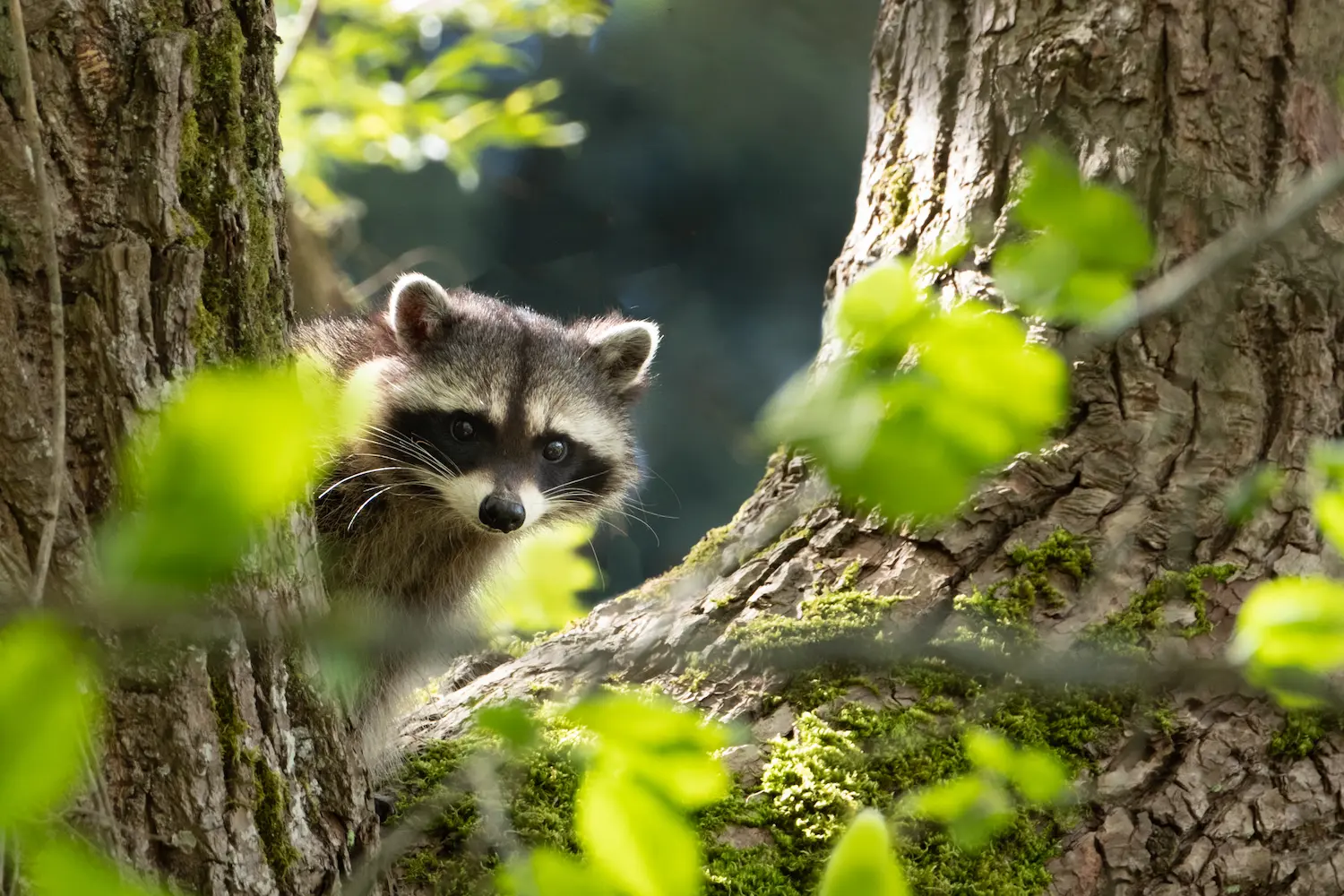
Raccoons are common wildlife throughout Central Florida and frequently live near residential areas. Problems can arise when they enter homes in search of food, water, or a protected place to nest. Attics, crawlspaces, chimneys, and other secluded areas can provide attractive shelter, but raccoons may damage insulation, roofing, vents, wiring, and other materials after gaining access.
A raccoon in home structures can be particularly difficult to address if it has established a den or has young nearby. Knowing what to look for can help homeowners recognize a potential problem and determine when it is time to seek professional help. Sorko Lawn and Pest Control offers professional raccoon control and raccoon removal services throughout Central Florida to help resolve wildlife issues and address conditions that may contribute to recurring activity.
Signs You May Have a Raccoon in Your Home
Raccoons are mainly active at night, making noises and other evidence of their presence easier to notice than the animal itself. Sounds in an attic or crawlspace and damage around the exterior may indicate raccoon activity and an entry point. Common signs include:
- Noises in the Attic or Walls: Scratching, thumping, or heavy movement at night may indicate that a raccoon is moving through an attic, ceiling, wall void, or crawlspace.
- Damaged Entry Points: Raccoons can take advantage of damaged soffits, roof areas, vents, screens, chimneys, or other openings to enter a structure.
- Disturbed Insulation: Raccoons may move or damage insulation when creating a den or resting area.
- Droppings: Raccoon feces may be found in attics, crawlspaces, yards, or other areas where the animals regularly travel or rest.
- Rummaged Garbage: Overturned trash cans, scattered garbage, and food waste around a property may indicate that raccoons are visiting regularly.
- Activity Around Decks and Crawlspaces: Raccoons may shelter beneath decks, mobile homes, porches, sheds, and other protected areas.
- Raccoon Sightings: Seeing a raccoon around your home does not necessarily mean that it has entered the structure, but repeated sightings or evidence of an access point may warrant further investigation.
Finding one of these signs does not always mean that a raccoon is currently inside your home. However, repeated noises, fresh droppings, damaged entry points, or evidence of nesting can indicate that a raccoon has established itself on the property.
Understanding Raccoon Behavior and the Problems They Can Cause
Raccoons are highly opportunistic animals that readily take advantage of food, water, and shelter found around homes. Garbage, pet food, gardens, fruit trees, and accessible water can make a residential property attractive. Once raccoons find reliable resources, they may continue returning to the same yard.
Attics and crawlspaces are particularly appealing because they offer protection from weather and predators. Female raccoons may also establish den sites in these secluded areas when raising young. Raccoons that enter a structure can damage insulation, vents, roofing materials, and ductwork while creating openings for additional wildlife or pests.
Not every raccoon seen outdoors is a cause for concern. Raccoons are a normal part of Florida’s wildlife and are commonly found near homes. The problem becomes more serious when raccoons enter a structure, establish a den, repeatedly damage property, or leave droppings and urine that create sanitation concerns.
Raccoon Prevention Tips for Your Home
Long-term raccoon control involves reducing conditions that attract wildlife and preventing access to sheltered areas. After removing a raccoon, it is especially important to address accessible openings that could allow another animal to enter. Several measures can help make your property less attractive to raccoons:
- Secure Garbage: Keep trash containers tightly closed and use sturdy containers that raccoons cannot easily tip over or open.
- Remove Outdoor Food Sources: Do not leave pet food outside overnight, and clean up spilled food or other materials that may attract wildlife.
- Maintain the Structure: Repair damaged soffits, roof areas, vents, screens, and other potential entry points before wildlife can use them.
- Protect Chimneys: Properly maintained chimney caps can help prevent raccoons from entering and using chimneys as den sites.
- Reduce Accessible Shelter: Address openings beneath decks, porches, sheds, and other structures where raccoons may seek shelter.
- Inspect After Removal: If a raccoon has been using an attic or crawlspace, inspect the area for damage and potential access points so the problem does not simply repeat.
According to the University of Florida Institute of Food and Agricultural Sciences (UF/IFAS), securing garbage, keeping pet food indoors, and sealing potential entry points can help reduce nuisance wildlife problems.
Get a custom treatment plan tailored to you!
Click below to leave your information and we will call you right back!
Can You Get Rid of a Raccoon Yourself?
Some homeowners may be able to address a raccoon problem on their own, but raccoon removal becomes more complicated when an animal enters an attic or crawlspace. Extra care may be needed if a mother has young nearby.
Simply getting a raccoon out and sealing the opening can backfire if other animals are still inside. A mother separated from her young may try to regain access, potentially causing further damage. UF/IFAS recommends addressing exclusion and prevention as part of resolving raccoon problems in residences.
Trapping and relocating wildlife is also subject to Florida regulations and specific legal considerations. Professional wildlife control is often a better option when raccoons are inside a structure, young may be present, or entry points are difficult to locate and address.
When Should You Call Professional Raccoon Removal?

A single raccoon passing through your yard may not require professional intervention. However, repeated activity or evidence that a raccoon has entered your home is a different situation.
A professional inspection can help determine where the animal is active, how it gained access, and whether additional animals or young may be present. Professional raccoon removal may be appropriate when you:
- Hear repeated scratching, thumping, or movement in an attic or crawlspace.
- Find fresh droppings, nesting materials, or other evidence inside the structure.
- Discover damaged soffits, vents, roofing, screens, or other potential entry points.
- See a raccoon repeatedly entering or leaving the same area of your home.
- Suspect that a mother and young may be using your attic, crawlspace, or another enclosed area.
- Have attempted to address the problem but raccoon activity continues.
- Need help determining how to prevent another raccoon from entering after the current problem is resolved.
The goal of professional raccoon control is not simply to remove an animal. A thorough approach considers the animal’s activity, potential entry points, property conditions, and measures that can help reduce the likelihood of another wildlife problem.
FAQs About Raccoons
Have questions about raccoons in Central Florida? We’ve answered some of the most common questions about raccoon behavior, signs of activity, and problems they can cause around your home.
Have additional questions or need professional raccoon control? Contact us today.
Noises in an attic or crawlspace, damaged entry points, disturbed insulation, droppings, nesting materials, and repeated raccoon activity around the structure can all indicate that a raccoon has entered your home. A professional inspection can help determine whether an animal is currently inside.
Yes. A raccoon inside a home can be particularly difficult to address. Common access points include:
- Damaged soffits or fascia
- Roof openings or damaged roofing
- Unscreened or damaged vents
- Uncapped chimneys
- Other gaps or openings in the structure
Attics can provide a protected place for resting and denning, particularly when a female raccoon is raising young.
Raccoons are wild animals and can bite or scratch when threatened. They can also carry diseases and parasites, including rabies and raccoon roundworm. Avoid direct contact with raccoons and keep pets and children away from areas where wildlife has been active.
Yes. Raccoons are a significant wildlife reservoir species for rabies in Florida. While seeing a raccoon does not mean it is infected, unusual or aggressive behavior should be taken seriously. People and pets should keep their distance and never attempt to handle a raccoon.
Yes. Raccoons may damage insulation, roofing materials, soffits, vents, wiring, and other parts of a structure while entering or establishing a den. Their droppings and urine can also create sanitation concerns.
Keep garbage securely covered, avoid leaving pet food outdoors, reduce accessible food and water sources, maintain soffits and roof areas, protect chimneys, and seal appropriate entry points after confirming that wildlife is no longer inside. These measures can reduce opportunities for raccoons to establish themselves around your home.
Consider professional help when a raccoon has entered your home, activity continues repeatedly, you hear animals in an attic or crawlspace, you suspect young are present, or you cannot determine how the animal is getting inside. Professional raccoon control can address the immediate problem while helping identify ways to prevent future activity.
Professional Raccoon Control & Removal in Central Florida
Identifying how a raccoon entered your home is an important part of resolving the problem. Simply removing the animal without addressing the access point can leave your property vulnerable to another raccoon entering through the same opening.
Sorko Lawn and Pest Control offers professional raccoon control and raccoon removal throughout Central Florida. Our technicians can assess wildlife activity, locate access points, and recommend steps to help prevent future problems.
Contact Sorko Lawn and Pest Control today to learn more about professional raccoon control and removal in Central Florida.
Back to Wildlife Control