If you hear scratching, scampering, or chewing sounds coming from your attic, squirrels may have found a way inside. Florida’s warm climate provides plenty of habitat for squirrels, and homes can offer a protected place to shelter and raise young. Once squirrels find an opening into an attic, they can damage insulation, wiring, roofing materials, and other parts of the home.
Sorko Lawn and Pest Control helps homeowners throughout Central Florida with squirrels that have entered homes and attics. Our squirrel control services are designed for indoor wildlife problems rather than squirrels that remain outdoors in the yard.
Common Squirrels in Florida
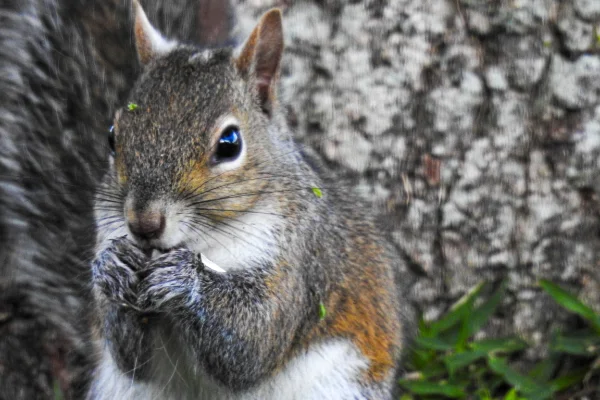
The eastern gray squirrel is one of the most common squirrels found around homes in Florida. Gray squirrels are comfortable living near people and can make their nests in trees, but they may also enter attics and other structures when they find a suitable opening.
Florida is also home to fox squirrels and southern flying squirrels. However, the species most relevant to homeowners dealing with squirrels in the attic is generally the eastern gray squirrel. Proper identification is important because different wildlife species can have different removal requirements.
How Do Squirrels Get Into Your Home?
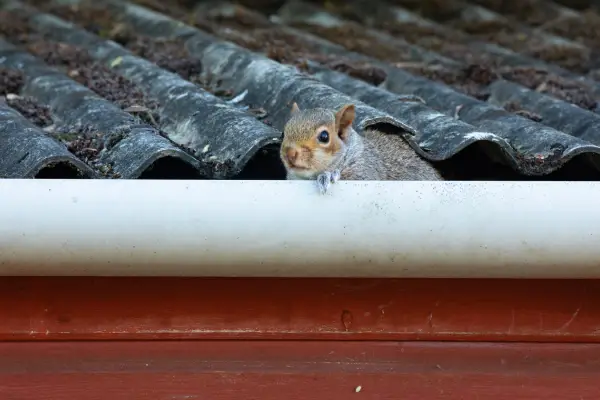
Squirrels are skilled climbers and can reach your home using trees, fences, utility lines, and other nearby structures. Once they reach the roof, they may find small openings or damaged areas that provide a way inside.
The attic is one of the most common places squirrels enter a home, and homeowners may not notice these entry points from the ground. Squirrels may enter an attic because it provides:
- A dry, sheltered nesting location.
- Protection from predators.
- A relatively quiet place to raise young.
- Protection from changing weather.
- Damaged soffits or fascia.
- Roof or gable vents.
- Gaps around the roofline.
- Damaged roofing materials.
- Openings around pipes and other roof penetrations.
- Existing holes or gaps created by other animals.
Finding squirrels around your property does not necessarily mean they will enter your home. Problems begin when a squirrel discovers an opening that provides access to the attic. Even a small gap can become larger as squirrels chew around the opening.
Signs You Have Squirrels in the Attic
Squirrels can spend most of their time hidden in the attic, making them difficult to spot. However, several signs may indicate that a squirrel has gotten inside, including:
- Scratching and Scurrying Noises: Hearing scratching, running, or chewing sounds in the attic can be one of the first indications of a wildlife problem. Squirrels are primarily active during the day, so daytime noises coming from the attic may be an important clue.
- Nesting Materials: Squirrels may gather leaves, insulation, paper, and other materials to construct a nest. Disturbed insulation or piles of nesting material can indicate that an animal has been using the attic.
- Chewed Materials: Squirrels need to gnaw and may chew wood, roofing materials, vents, and electrical wiring. Chewed areas around a possible entry point can help identify how an animal gained access.
- Droppings or Odors: Droppings, urine, nesting debris, and other signs of animal activity may accumulate in areas where squirrels spend time.
- Exterior Damage: Finding a damaged soffit, vent, fascia, or roof area can be another indication that squirrels have discovered a way inside.
Get a custom treatment plan tailored to you!
Click below to leave your information and we will call you right back!
What Kind of Damage Can Squirrels Cause?
The scratching and scampering caused by squirrels may be annoying, but the bigger concern is the damage they can leave behind. Squirrels that remain in an attic may damage areas such as:
- Electrical Wiring: Squirrels may chew electrical wires, potentially creating a serious electrical hazard.
- Insulation: Nesting and movement can disturb insulation and leave it contaminated with animal waste and nesting debris.
- Roofing and Vents: Squirrels can damage areas around potential entry points as they enter and leave the attic.
- Soffits and Fascia: These areas may be chewed or damaged as squirrels enlarge an opening.
- Stored Belongings: Items stored in an attic can be damaged by chewing, nesting materials, urine, or droppings.
The longer squirrels remain inside, the more opportunity they have to cause damage.
Are Squirrels Dangerous to People?
Squirrels generally try to avoid people, but they are wild animals and should not be handled. A squirrel that feels trapped or threatened may bite or scratch in an attempt to escape. They can also carry mites, fleas, ticks, and certain bacterial diseases that may pose concerns for people or pets.
Droppings, urine, and contaminated nesting materials can create additional concerns when squirrels are living in an attic. Homeowners should use caution around these materials and avoid trying to capture or handle a squirrel themselves.
Squirrel activity can also damage electrical wiring and other parts of the home through chewing and nesting, creating additional hazards for homeowners.
Can You Remove Squirrels Yourself?
Homeowners can take steps to help prevent squirrels from getting into the attic. Keeping the roof and exterior in good condition, maintaining vents, and repairing potential entry points can reduce opportunities for wildlife to get inside.
Removing squirrels that are already in the attic is more complicated. Sealing an opening before confirming that the squirrel has left could trap the animal inside or, if young are present, separate a mother from her offspring.
Professional wildlife control can identify the animal, locate the entry point, and determine whether nesting materials or young are present before developing an appropriate removal approach. Homeowners should avoid attempting to catch or handle squirrels themselves.
When Should You Call Professional Wildlife Control?
Some squirrel problems require more than basic prevention. If squirrels have entered your home, professional wildlife control can help identify the source of the intrusion and determine the appropriate solution. Consider professional squirrel control if you:
- Hear repeated scratching or movement in your attic.
- See squirrels entering or leaving the roof.
- Find nesting materials.
- Discover chewed wiring or other damage.
- Find a damaged soffit, vent, or roof area.
- Suspect squirrels have been inside for an extended period.
- Are unsure whether the squirrel has left.
- Continue hearing activity after attempting to address the problem.
Squirrel Control in Central Florida
Effective squirrel control involves more than simply removing the animal. When squirrels get into an attic, identifying the entry point is an important part of understanding how they gained access and addressing the source of the problem.
Sorko Lawn and Pest Control provides squirrel control for homes and attics in Central Florida. If you hear scratching or scampering in your attic, find evidence of nesting, or have discovered that squirrels are getting inside, contact Sorko Lawn and Pest Control to learn more about your options.
If you suspect squirrels have gotten into your attic, contact Sorko Lawn and Pest Control to find out how we can help.
Back to Wildlife Control